
World
Denmark's Longest-Lived Person, 112, Held Two Local Posts in Wartime Nazi Party, Archive Records Show
Kirsten Schwalbe, celebrated last month as the oldest Dane ever, served as an acting group leader and women's group leader in the Danish Nazi party's Holstebro branch in 1943 and 1944, according to archive documents reported by Frihedsbrevet. A historian says she broke no law.
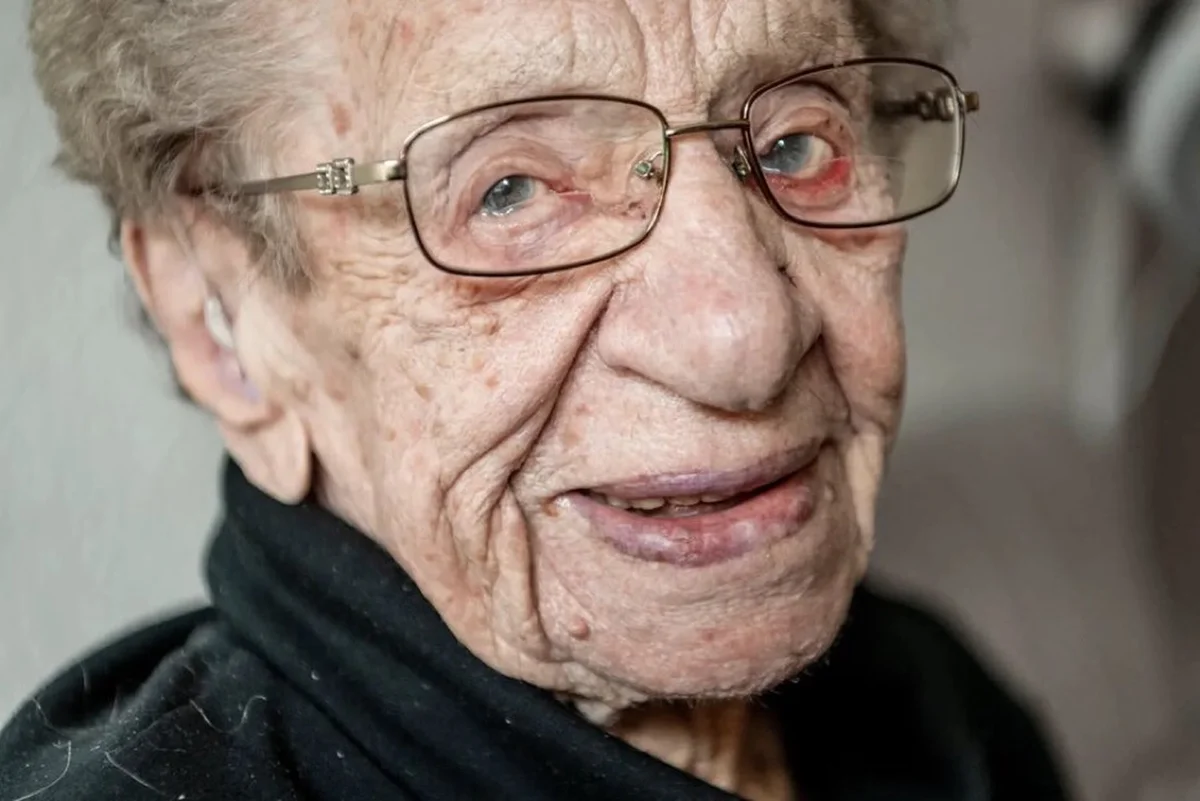
Kirsten Schwalbe, the 112-year-old West Jutland woman who became the longest-lived person in Danish history last month, held two local leadership posts in Denmark’s wartime Nazi party, according to records from the Danish National Archives first reported on Monday, Nov. 16, by the Danish outlet Frihedsbrevet. The finding goes well beyond what she acknowledged in October, when she confirmed only that she had once signed up as a member because her husband asked her to.
There is no criminal case. No investigation or charge against Schwalbe has been reported, and a Danish historian who reviewed the files told the public broadcaster DR that nothing in them shows she broke any law.
From national celebration to a wartime record
On Wednesday, Oct. 14, Schwalbe reached 112 years and 218 days, the longest life ever recorded for a Dane, DR reported. Danish media marked the milestone widely. The regional broadcaster TV Midtvest had followed her life for years, and the New York Post notes that she and her 104-year-old brother, Bertel, had already been called the world’s oldest siblings. A light-hearted biography, published this fall by Gyldendal under the title “Vi skal have noget at grine af” (“We Need Something to Laugh About”), did not mention the war years.
Two days after the record, on Oct. 16, the Christian daily Kristeligt Dagblad reported that her name appears in the so-called Bovrup file, a copy of the membership register of the Danish National Socialist Workers’ Party (DNSAP) that was made public after Denmark’s liberation. According to that paper, two historians confirmed the entry on their own. The name is spelled “Schalbe,” but DR, citing Kristeligt Dagblad, said her date of birth and address match. The register shows she enrolled in August 1941, a few months after her husband did.
Schwalbe confirmed the membership. Speaking to TV Midtvest, she said she had joined only at her husband’s urging and denied ever siding with the Germans. “I barely knew what it was, because I’ve never been interested in politics,” she said, as translated by the New York Post. She told the broadcaster that her biggest regret was not finding out what the party stood for, and said it felt unfair to be held to account for it some seven decades later.
Historians cautioned at the time that the register alone proves little. Charlie Krautwald, a historian at the University of Copenhagen, told DR that the file records only that someone enrolled, not why, for how long, or whether dues were ever paid. TV 2 reported, citing TV Midtvest, that her husband, an amber grinder who traveled the country for work, had been offered money by the party to carry letters if he joined. Historian Troels Solgaard Andersen told TV 2 that many Danes and businesses looked for ways to get by, and even profit, during the occupation.
What the new documents show
The Nov. 16 report changed that picture. Frihedsbrevet reviewed National Archives documents with several historians, including Claus Bundgaard Christensen of Roskilde University. According to DR’s account of that reporting, Schwalbe served as acting department group leader of the DNSAP branch in Holstebro from August 1943 to July 1944, and as leader of the branch’s women’s group over the same period. Kristeligt Dagblad, summarizing the same documents, headlined her as a group leader and a “trofast medlem,” or loyal member.
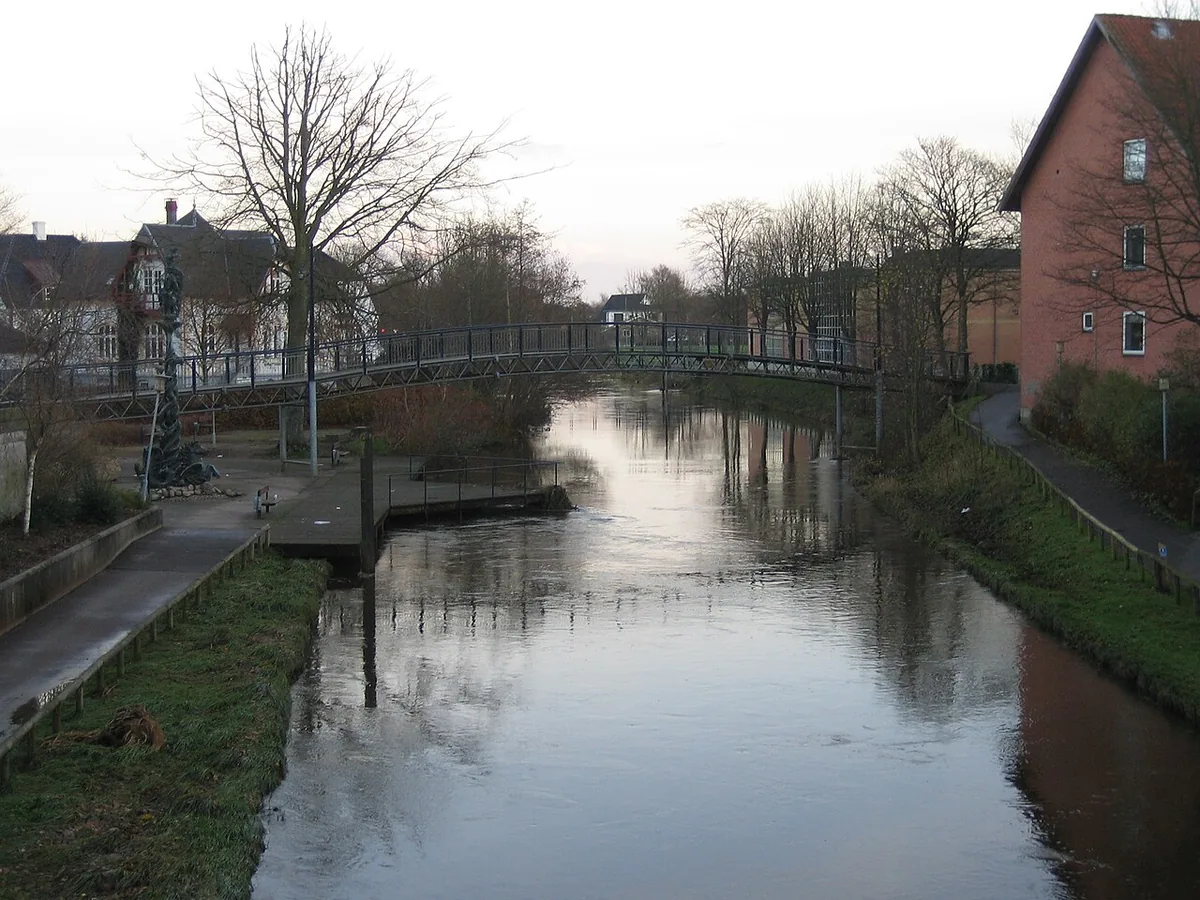

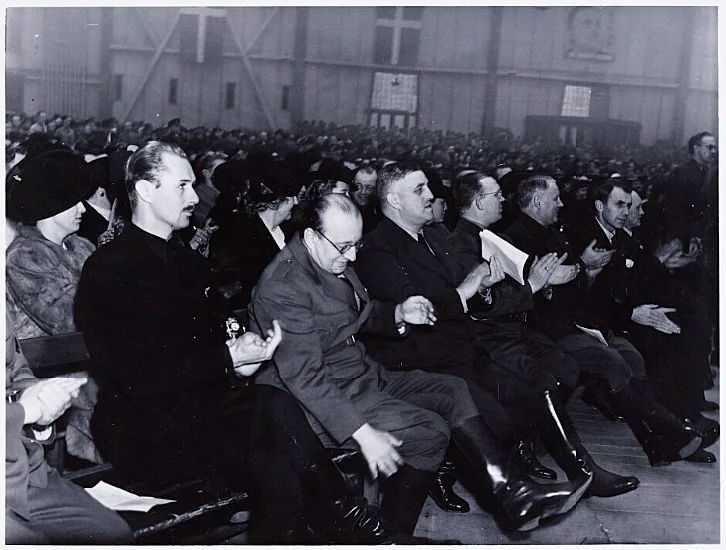
Christensen told DR’s radio program P1 Orientering that the role was roughly comparable to a middle-management post and that she was clearly a known face in the local party. In general terms, he said, such group leaders organized branch meetings, sent out invitations, booked speakers and opened the meetings. From 1941 onward, he added, the party’s women’s groups put much of their effort into supporting Danish volunteers serving with German forces on the Eastern Front, sending them parcels, Christmas gifts and letters. The New York Post quoted him as saying she “was more than an ordinary member of the rank and file” and counted among the area’s prominent Nazis.
Christensen also stressed limits. He said he does not know Schwalbe or her personal story, and he told DR that she did nothing criminal or illegal. Party membership was legal in Denmark, during the war and after it, and no one was prosecuted for membership alone, he said. He said nothing suggests she was convicted of treason or acted as an informer, but that for a period of her life she clearly embraced the ideology.
Fallout
Her family told Frihedsbrevet that the 112-year-old is deeply affected by the new coverage and cannot comment on it, DR reported. The New York Post said the family has asked for privacy. TV Midtvest has dropped the planned final episode of its series about her, “Kirstens vilde år.” Its editor-in-chief, Marc Killigren Akselsen, told the radio station RADIO IIII that the attention had been hard on her and that the family had asked for calm for the sake of her health, according to the news site Y. Gyldendal publishing director Mette Korsgaard called the information serious and said it puts the book’s premise in a new light, TV 2 reported. The publisher says it will look into her past further before deciding how to revise the book.
Historical context
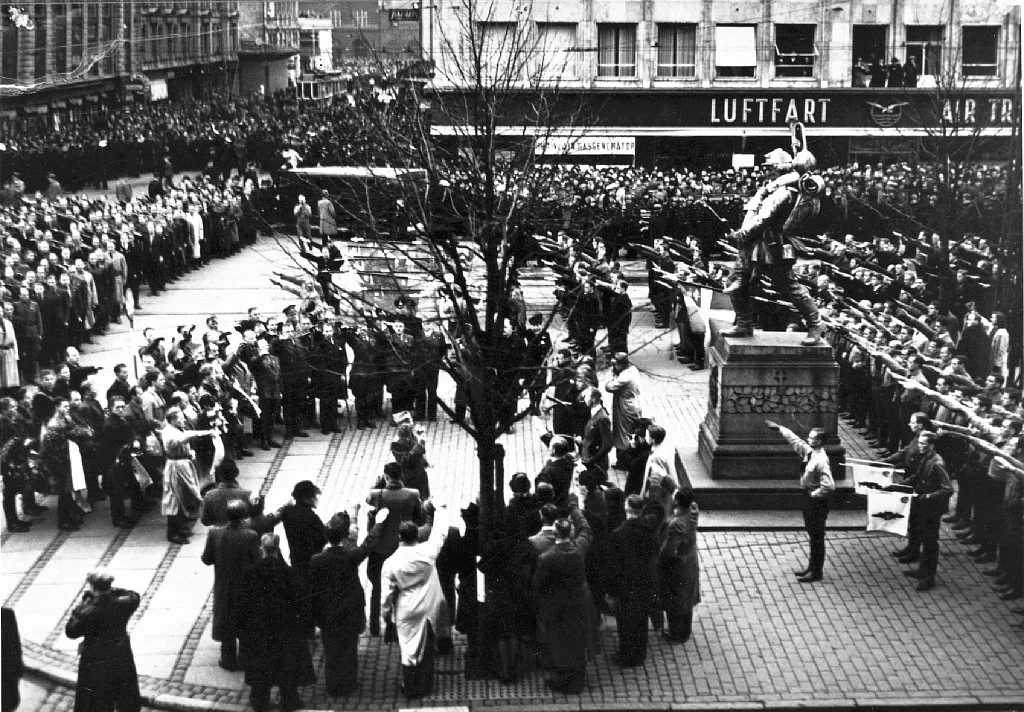
Germany occupied Denmark on April 9, 1940. Unlike most occupied countries, Denmark kept its own government, which cooperated with the occupying power until that arrangement collapsed in late August 1943, the same month the records place Schwalbe in her Holstebro posts. The DNSAP, founded in 1930 and modeled on Hitler’s party, according to DR, never won broad support at the ballot box. After the liberation in May 1945, Denmark held a large legal reckoning with collaborators, but historians quoted in the current coverage note that simple membership was not itself a crime.


That legal line separates this case from the trials still seen in Germany. German courts have spent the past 15 years prosecuting very old former staff of concentration camps as accessories to murder. In the best-known recent case, Irmgard Furchner, a former secretary at the Stutthof camp, was convicted in December 2022, decades after the war, and the verdict was later upheld on appeal. Those prosecutions rest on service at sites of mass killing. Nothing in the Danish reporting accuses Schwalbe of anything like that. The debate in Denmark is about memory and honesty, not a court case.
Editor’s note: This report is based on coverage by DR (Danish Broadcasting Corporation), Kristeligt Dagblad, TV 2, the New York Post, The Washington Times and the Danish news site Y, which in turn describe National Archives documents reviewed by Frihedsbrevet with historians. We did not see the archive documents ourselves. Quotes from Danish sources are paraphrased unless marked as a published translation. The Furchner case is general background from widely reported German court rulings, not from the Schwalbe coverage. No interviews were conducted. The photo of Ms. Schwalbe is credited to Ritzau Scanpix.