
National Security
Pentagon prepares major US bases to operate 90 days without outside support under FORTRESS
The Pentagon is preparing major U.S. military installations to keep essential operations running for at least 90 days without relying on outside support from civilian power grids or global supply networks, Fox News Digital reported Sunday based on documents it reviewed.
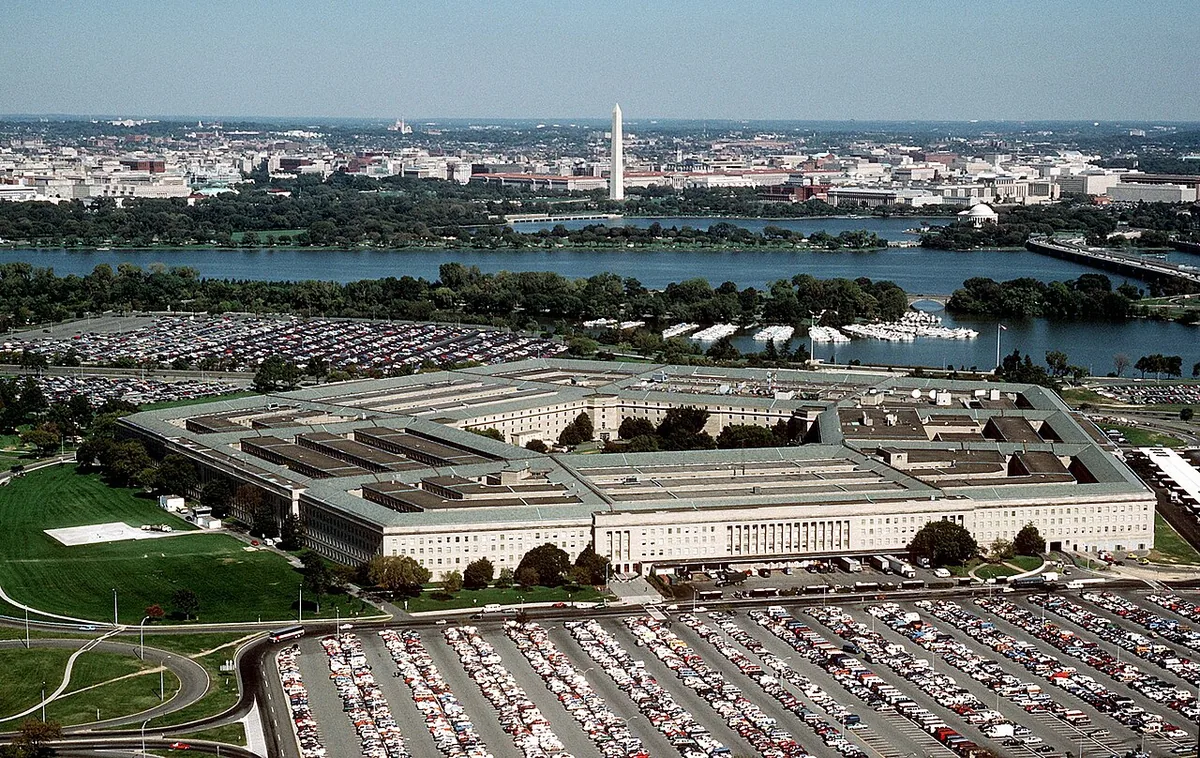
The Pentagon is preparing major U.S. military installations to keep essential operations running for at least 90 days without relying on outside support from civilian power grids or global supply networks, Fox News Digital reported Sunday based on documents it reviewed.
That 90-day self-sufficiency mark is tied to FORTRESS America, a homeland-defense effort Defense Secretary Pete Hegseth created in a Sept. 30 memorandum. Fox News said the plan would expect every major continental U.S. installation to maintain core functions on its own for that period, covering electricity, water, fuel and communications.
“We don’t want to rely on standard civilian municipal infrastructure to run our national defense. We just simply can’t. It’s an intolerable risk,” Pentagon chief spokesperson Sean Parnell told Fox News Digital.
What FORTRESS America requires
Hegseth’s Sept. 30 memo, published by the Defense Department, set up FORTRESS America as a Department of War program built on five pillars: making bases energy independent; hardening supply lines and the defense industrial base; stocking a strategic defense reserve; fortifying installations against physical and cyber threats; and protecting space and spectrum capabilities. The memo ordered the Undersecretary of War for Acquisition and Sustainment to create a FORTRESS America Program Office within 30 days.
Speaking at Marine Corps Base Quantico, Virginia, on Sept. 30, Hegseth explained the name. “FORTRESS stands for Federal Operations for Resilience, Troop Resources, Energy, Supply and Survivability,” he said, according to DefenseScoop and a speech transcript. “Every major military installation in America is going to generate its own power, independent of the civilian grid,” Hegseth added. “If an adversary takes down the grid — by cyberattack, by sabotage, or by any means — our bases stay lit. Our aircraft keep flying. Our command centers never go dark.”
Fox News said the effort contemplates portable nuclear reactors, large battery banks and microgrids that could cut installations loose from municipal electricity. “Mission-critical power must be independent, hardened, and redundant,” Parnell said. “Power is combat now. Without electricity, you lose communications, water, logistics, assembly lines and just basic military command structures.”
Supply chains and industrial base
According to Fox News, FORTRESS also directs the department to build stockpiles of ammunition, fuel, critical minerals, electronics, spare parts and medical goods, and to ensure the most vital defense needs have at least two qualified production or supply routes. The Civil Reserve Manufacturing Network, folded into FORTRESS, would map commercial plants able to convert to wartime output and would lock in technical standards, cybersecurity rules and conversion steps before a crisis begins.
“The next conflict will likely be fought on multiple fronts. Look at the geopolitics behind any major war. When that happens, global supply chains will break,” Parnell told Fox News Digital. “You don’t want to be making these decisions in the middle of a global multi-front conflict. We have to have a plan.”
Early implementation
On Oct. 6, Undersecretary of Defense for Acquisition and Sustainment Michael Duffey sent a memo obtained by DefenseScoop telling eight senior officials to begin standing up the program office. Duffey named Richard “Matt” O’Malley as interim director to track milestones and coordinate stakeholders, DefenseScoop reported.
Energy independence is moving first, a senior U.S. defense official told the Defense Writers Group on Oct. 20, Air & Space Forces Magazine reported. The official said options include microgrids and battery storage and that the department is surveying about 500 continental U.S. bases to size power needs and costs. Completing energy independence across that inventory could take years, the official said.
Hegseth’s Sept. 30 memo framed FORTRESS America as national insurance, meant to keep U.S. forces operating if a large war knocks out the civilian systems and supply routes they now depend on.