
Kentucky
Kentucky Voters to Decide Whether to Limit Governor's Pardon Power Around Elections
Kentucky voters will decide on Nov. 3 whether to amend the state constitution to bar a governor from granting pardons or commuting sentences in the weeks around a gubernatorial election. The proposal, listed as Constitutional Amendment 1, will appear on every ballot in the state.
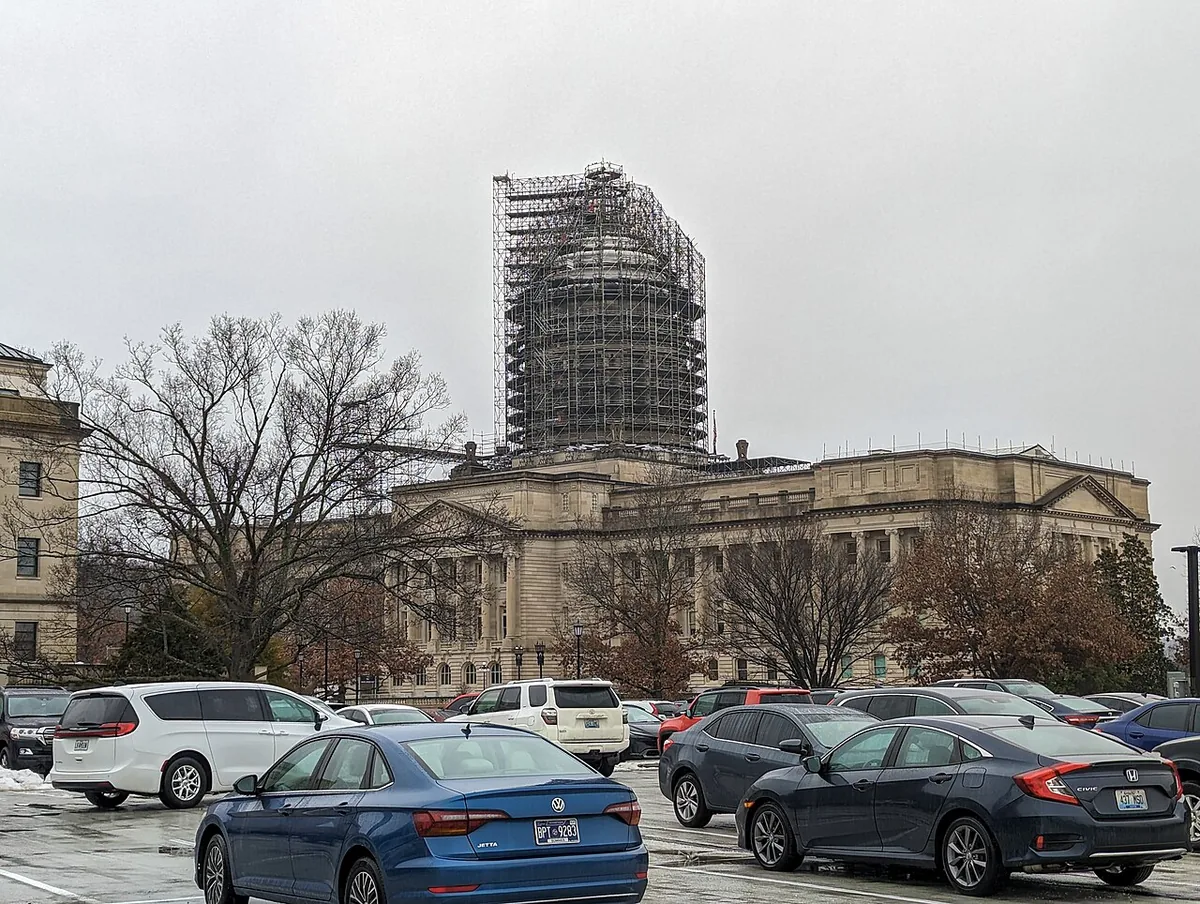
Kentucky voters will decide on Nov. 3 whether to amend the state constitution to bar a governor from granting pardons or commuting sentences in the weeks around a gubernatorial election. The proposal, listed as Constitutional Amendment 1, will appear on every ballot in the state.
The measure grew out of Senate Bill 10, which the General Assembly passed during its 2026 regular session. Its sponsor, Republican state Sen. Chris McDaniel, has said the change is meant to keep governors answerable to voters when they use the pardon power.
What the amendment would do
The question printed on the ballot asks whether voters favor “limiting a Governor’s ability to grant pardons or commute sentences” during a period that begins 60 days before the general election at which a governor is chosen and ends when the governor is sworn in for that term.
The proposed new wording of Section 77 of the Kentucky Constitution sets the end of that window at “the fifth Tuesday succeeding the election,” the day a new governor takes office. A governor’s separate authority to remit fines and forfeitures is not affected by the proposal, according to the bill text.
A yes vote would add the restriction to the constitution. A no vote would leave the current language of Section 77 in place.
The change would not touch the powers of Democratic Gov. Andy Beshear during this year’s election, because Kentucky is not choosing a governor in 2026. The next race for governor is scheduled for 2027, so the limit would first apply to that contest if voters approve it.
Why lawmakers put it on the ballot
The proposal traces back to the final weeks of former Republican Gov. Matt Bevin’s term. After Bevin lost his 2019 reelection bid to Beshear, he issued hundreds of pardons and commutations before leaving office, several of which drew wide criticism. Local reports put the total at more than 400 or more than 600, depending on how the actions are counted. Some of those clemency grants went to people convicted of serious crimes, including murder and rape, WDRB and WAVE reported.
“We saw pardons that a lot of people found to be absolutely heinous,” McDaniel said on Sept. 28, according to WDRB and WAVE.
In an interview with LEX18, McDaniel said a governor who wants to issue a pardon should have to face voters who know about it. “In the political world, there’s no greater accountability than standing in front of the voters,” he said. He also told WDRB and WAVE that the measure is “about basic accountability and transparency in justice.”
Opposition from the governor and a former inmate
Beshear opposes the amendment. He told LEX18 that Bevin’s actions do not justify limiting future governors. “The answer to this is not changing the pardon power of every other governor that hasn’t abused it this way, but not electing a guy like Matt Bevin ever again,” Beshear said.
Paul Hurt of Louisville, who received one of Bevin’s 2019 pardons, told WDRB and WAVE that he served 20 years in prison on a sexual abuse conviction that he says was wrongful. He said his stepdaughter recanted the allegations after about 18 and a half years, and that efforts to free him through the courts had failed.
“I wouldn’t be standing here if this was in effect in 2019,” Hurt said. “I think one person in prison for one day for something they didn’t do outweighs all that.”
How to vote
County clerks are urging voters to look over sample ballots before going to the polls because this year’s ballot is long. It includes the open U.S. Senate seat held by Republican Mitch McConnell, who is not seeking reelection, all six U.S. House seats, all 100 seats in the state House and the even-numbered state Senate districts.
No-excuse early in-person voting runs from Oct. 29 through Oct. 31, and Election Day is Nov. 3.