
Elections
Federal Judge Dismisses Justice Department Lawsuit Seeking Utah's Full Voter Rolls
A federal judge in Salt Lake City on Friday dismissed the Justice Department's lawsuit against Utah Lt. Gov. Deidre Henderson, ruling that federal civil rights law does not give the U.S. attorney general a right to the state's complete, unredacted list of registered voters.
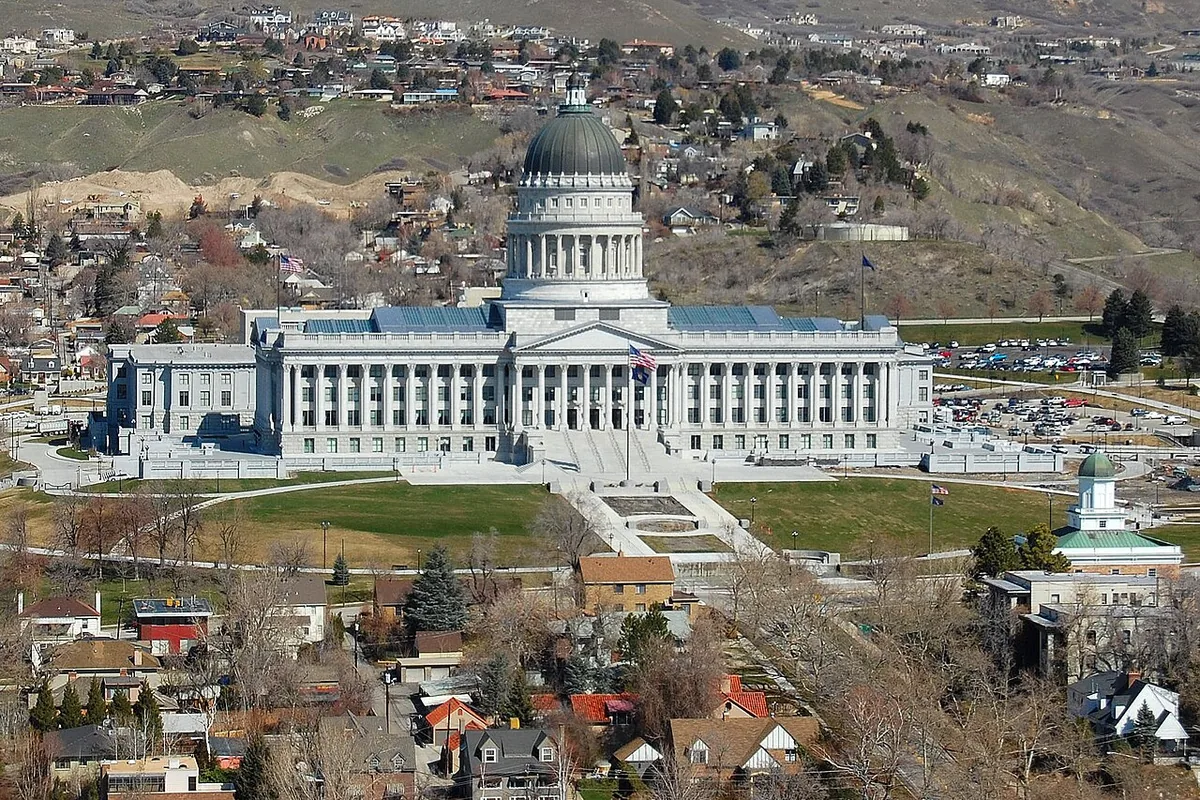
A federal judge in Salt Lake City on Friday dismissed the Justice Department’s lawsuit against Utah Lt. Gov. Deidre Henderson, ruling that federal civil rights law does not give the U.S. attorney general a right to the state’s complete, unredacted list of registered voters.
U.S. District Judge David Barlow, who was nominated to the bench by President Donald Trump, granted the motions to dismiss filed by Henderson and the other defendants and denied the department’s motion to compel the state to turn over the records. He dismissed the complaint with prejudice, which means the department cannot bring the same claim again in that court. The order was signed Oct. 23, 2026, and the court clerk was directed to close the case.
What the department wanted
The Justice Department sued Henderson, Utah’s chief election officer, in February after she refused to hand over the full statewide voter registration database. According to reporting by KUTV and Utah News Dispatch, the information sought included voters’ full names, dates of birth, home addresses, driver’s license numbers and partial Social Security numbers.
Federal attorneys relied on Title III of the Civil Rights Act of 1960, which requires election officials to keep records and papers relating to voter registration and other steps required to vote, and allows the attorney general to inspect them. Henderson argued that state and federal privacy laws barred her from releasing the sensitive data unless the department showed a lawful reason for needing it. Speaking to KUTV in September, she said she had offered the department the publicly available version of the voter list. “Well, I offered to give the public list, but they didn’t want that,” she said at the time.
How the judge ruled
Barlow agreed with the argument made by the Utah attorney general’s office on Henderson’s behalf. In his 20-page decision, he found that the statewide voter registration list is a database the lieutenant governor builds, manages and updates on a regular basis, not a record that “comes into” her possession from voters. Because of that, he wrote, the list falls outside the reach of Title III.
The judge also addressed the department’s claim that the state’s reading of the law would undercut its purpose. “If congressional purpose were the decisional lens,” Barlow wrote, “it is clear enough that Title III [of the Civil Rights Act] was intended to address voter suppression.”
Having ruled on that question, Barlow said he did not need to decide the state’s other arguments, including whether Utah’s privacy laws allow redactions and whether the department complied with the federal Privacy Act. Earlier in the case, he had allowed the NAACP to join the lawsuit in opposition to the department.
Reaction and what comes next
“We appreciate Judge Barlow’s ruling dismissing the Department of Justice’s lawsuit that sought to force us to disclose the private data of every Utah voter,” Henderson said in a statement. She added that her office “will continue to uphold the rule of law and safeguard the fundamental right to free, fair, and secure elections for the people of Utah.” On social media, Henderson posted “0-27,” a reference to the department’s record in similar cases.
The Salt Lake Tribune reported that the federal government has sued 30 states and the District of Columbia seeking their voter databases, and that the Utah suit is now the 27th such case thrown out at the trial-court level. The department has appealed most of those losses. The one appeals court to rule so far upheld the lower court’s decision against the department.
The ruling comes days after the department told Henderson it plans to send election monitors to Utah for the Nov. 3 election. Henderson told reporters that any monitors must follow state law and may not interfere with voters casting ballots. Last month, the department also informed Henderson in a letter that she was under investigation over her refusal to share the data, a step that drew criticism from Republican Gov. Spencer Cox and Republican U.S. Rep. Blake Moore.